
What Are No-Tax Return Loans and Who Actually Qualifies for Them in Australia?
A Brisbane café owner recently lost a second shop lease because the bank needed old tax returns, extra reviews, and weeks of processing. The landlord gave the space to someone else before the loan was even assessed. Situations like this are pushing more Australians toward
A Brisbane café owner recently lost a second shop lease because the bank needed old tax returns, extra reviews, and weeks of processing. The landlord gave the space to someone else before the loan was even assessed. Situations like this are pushing more Australians toward No Tax Return Loans and flexible lending options outside traditional banks.
Business today moves fast. Contractors pick up short-term projects. Online stores scale overnight. Self-employed workers have income that changes month to month. Standard bank rules do not always work for people running modern businesses.
No Tax Return Loans exist for that reason. They offer another path for borrowers who earn genuine income but cannot provide the usual pile of tax documents.
This blog explains how these loans work, who qualifies, and why the demand for Low Doc Business Loans Australia continues to grow.
What Are No Tax Return Loans?
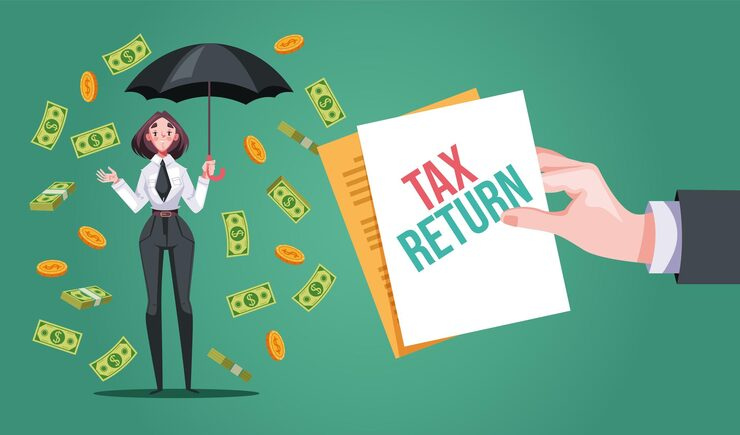
No Tax Return Loans are financial solutions where lenders assess borrowers without relying heavily on full tax return records.
Instead of focusing only on old financial statements, lenders may review current business performance and cash flow. Many non-bank lenders care more about what a business is earning now rather than what appeared on a tax return two years ago.
Commonly accepted documents include:
- Recent bank statements
- BAS statements
- Accountant declarations
This type of lending has become more common across Australia, especially among self-employed workers and small business owners.
A report from the Australian Small Business and Family Enterprise Ombudsman showed that access to flexible finance remains a major issue for small businesses. Traditional lenders still apply stricter approval conditions after years of tighter regulations.
Why Traditional Lending Does Not Fit Every Borrower
Banks prefer predictable income. Regular pay slips. Stable employment history. Clean financial records. Real business owners rarely look that neat on paper.
A builder may write off large expenses during tax time. A startup founder might reinvest profits back into growth instead of showing high taxable income. An Uber fleet operator could have a healthy monthly turnover but inconsistent annual figures. None of those situations automatically means financial trouble.
Alternative lenders usually assess the broader picture. That flexibility is one reason No Tax Return Loans have gained momentum in Australia.
Who Actually Qualifies for No Tax Return Loans?
Qualification depends on the lender, but certain borrower groups regularly use these loans.
Self-Employed Australians
Self-employed borrowers are among the biggest users of low-doc lending. Income can fluctuate throughout the year, especially in trades, transport, hospitality, and freelance industries. Many lenders accept alternative proof of income instead of complete tax records.
Small Business Owners
Business owners often need quick funding for:
- Equipment purchases
- Staff wages
- Unexpected expenses
Waiting six weeks for bank approval can create serious operational pressure. Fast access to capital becomes more important than perfect paperwork.
Property Investors and Developers
Property investors commonly use No Tax Return Loans for bridging finance or urgent settlements. Australia’s property market moves quickly. Delayed finance approvals can easily cost investors profitable deals.
New Businesses and Startups
Startups face another problem. Many have not traded long enough to produce multiple years of tax returns.
Private lenders may instead assess:
- Business activity
- Revenue trends
- Existing contracts
- Available security assets
That creates opportunities that traditional lenders often reject immediately.
How Low Doc Business Loans Australia Work
The process behind Low Doc Business Loans Australia is usually much simpler than traditional commercial lending. Applications are shorter. Documentation requirements are reduced. Assessment times are faster.
Many lenders request only a few key documents before making a decision. Some approvals happen within 24 to 48 hours, depending on the complexity of the deal.
A Sydney transport company recently secured emergency funding after two delivery vehicles broke down during peak season. Bank approval timelines were too slow. A low-doc lender reviewed six months of bank statements and approved financing within days.
That speed kept contracts alive and staff employed. Interest rates are often higher compared to major bank loans. That part matters. Flexible lending solves problems, but borrowers still need realistic repayment plans.

Benefits and Risks Borrowers Should Understand
No Tax Return Loans can be useful during growth periods or urgent financial situations. Still, every borrower should understand both sides before applying.
The biggest advantage is flexibility. Borrowers who fall outside traditional lending rules still have access to funding opportunities.
Some lenders charge higher fees. Short-term loan structures can increase repayment pressure if cash flow weakens unexpectedly. Borrowers should always compare lenders carefully and understand the full loan terms before signing anything.
Strong organisation also helps more than people expect. Clean records, updated bank statements, and clear business activity often improve approval chances significantly.
Conclusion
For many Australians, yes. The workforce has changed. More people now operate businesses, freelance, contract, or manage multiple income streams. Traditional lending systems have struggled to adapt to that shift.
No Tax Return Loans help fill that gap. They are not designed for reckless borrowing or long-term financial shortcuts. They work best for borrowers with genuine income, solid repayment capacity, and short-term funding needs that require speed and flexibility.
Businesses needing practical lending solutions often explore alternative finance providers like Zip Funding when traditional banks become too slow or restrictive.
Frequently Asked Questions
1. What are No Tax Return Loans?
No Tax Return Loans allow borrowers to apply for finance without supplying full tax return documents.
2. Who can apply for No Tax Return Loans in Australia?
Self-employed workers, startups, contractors, and small business owners commonly qualify.
3. Are Low Doc Business Loans Australia suitable for startups?
Yes. Many lenders assess current revenue and business activity instead of years of tax records.
4. Do No Tax Return Loans have higher interest rates?
Some lenders charge higher rates because these loans involve greater lending risk.
